Close Menu
Professional Tea Taster

    Newsletter

    Get the latest news from Professional Tea Taster!

    Facebook X (Twitter) Instagram Threads Pinterest TikTok LinkedIn
    • About
    • Advertise
    • Contact
    Facebook X (Twitter) Instagram Threads Pinterest TikTok LinkedIn
    Professional Tea Taster
    • Tea
      • General Information
      • History
      • Literature
      • Myths & Legends
    • Teaware
    • Recipes
    • Industry
      • Buyer Guides
      • Companies
      • Products
      • Reviews
    • Resources
      • Dictionary
    • News
    Professional Tea Taster
    Home » Tea » General Information » Oxidation Levels of Traditional Types of Tea

    Oxidation Levels of Traditional Types of Tea

    Professional Tea TasterBy Professional Tea TasterOctober 19, 2024Updated:July 22, 2026No Comments1 Min Read
    Share Facebook Twitter Pinterest Reddit LinkedIn
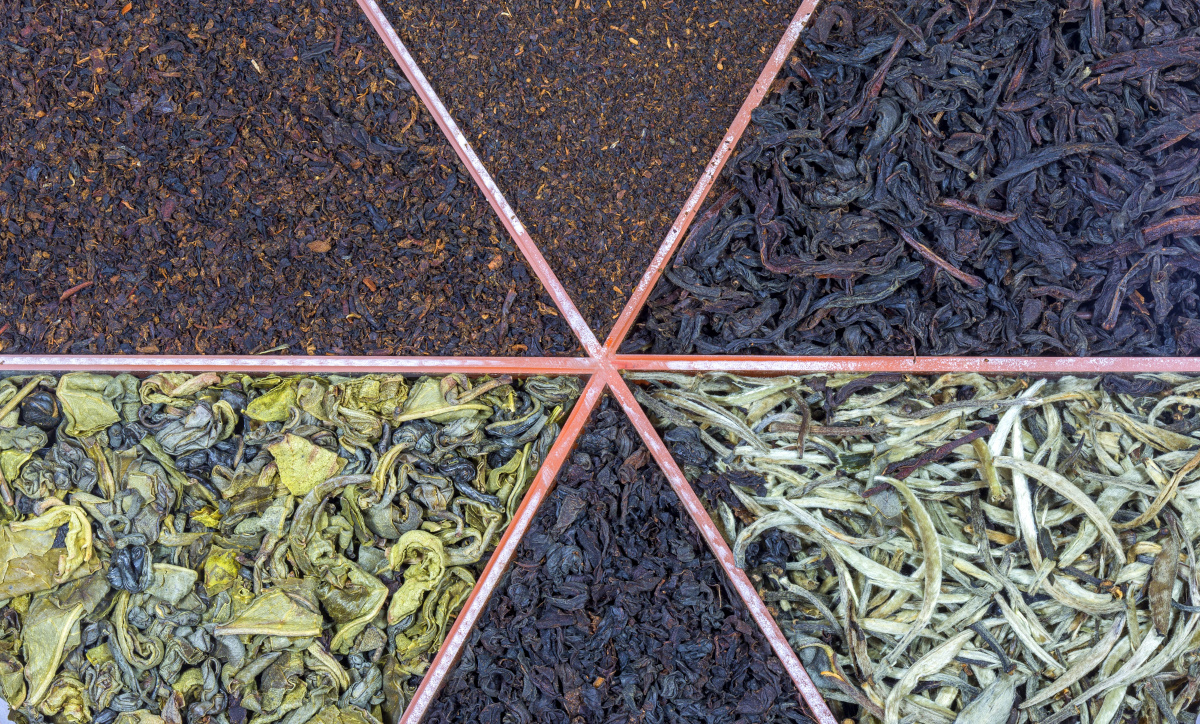
    various types of sri lankan tea

    In the context of tea, oxidation refers to the chemical process where enzymes in the tea leaves react with oxygen after the leaves have been harvested. This enzymatic reaction alters the chemical composition of the leaves, affecting their color, flavor, and aroma. Oxidation is a crucial step in tea processing that determines the type and characteristics of the final product.

    • White Tea: Minimal initial oxidation. The leaves undergo minimal processing and are allowed to wither and dry naturally, resulting in a delicate flavor profile. As white tea ages, it may oxidize further.
    • Green Tea: Minimal oxidation. The leaves are quickly heated after picking to deactivate enzymes, preserving their green color and fresh, grassy flavor.
    • Oolong Tea: Partially oxidized (usually between 10% to 80%). This category offers a wide range of flavors, from light and floral to rich and robust, depending on the level of oxidation.
    • Black Tea: Nearly fully oxidized. The leaves are allowed to oxidize completely, producing a dark color and a strong, bold flavor profile.
    • Pu’er Tea: Undergoes microbial fermentation in addition to oxidation, leading to unique earthy flavors that can develop over time.

    Previous ArticleOxidation: The Definition and Meaning
    Next Article Chenpi: The Definition and Meaning
    Professional Tea Taster
    Professional Tea Taster

      Professional Tea Taster is an information portal about tea, teaware, recipes, reviews, and industry news.

      Related Posts

      How Much Sugar do you put in a Gallon of Tea?

      July 22, 2026

      Thai Tea Vs. Black tea

      July 22, 2026

      How Much Sugar in a Gallon of Sweet Tea?

      July 22, 2026
      Leave A Reply Cancel Reply

      Latest Posts

      How Much Sugar do you put in a Gallon of Tea?

      July 22, 2026

      The Best Tea Infusers

      July 22, 2026

      A Basic Recipe for Lemon Balm Tea

      July 22, 2026

      Verdant Tea Wild Crassicolumna Sheng Pu’er Tea Review

      July 22, 2026

      How to Start a Puer Tea Collection

      July 22, 2026

      Newsletter

      Get the latest news from Professional Tea Taster!

      professional tea taster
      Information
      • About
      • Advertise
      • Contact
      • Disclaimer
      • Privacy Policy
      • Terms of Service
      Copyright © 2021 - 2026 | Professional Tea Taster

      Type above and press Enter to search. Press Esc to cancel.